Context is powered by the Ä¢¹½ÊÓƵ Newsroom.
Our Standards:

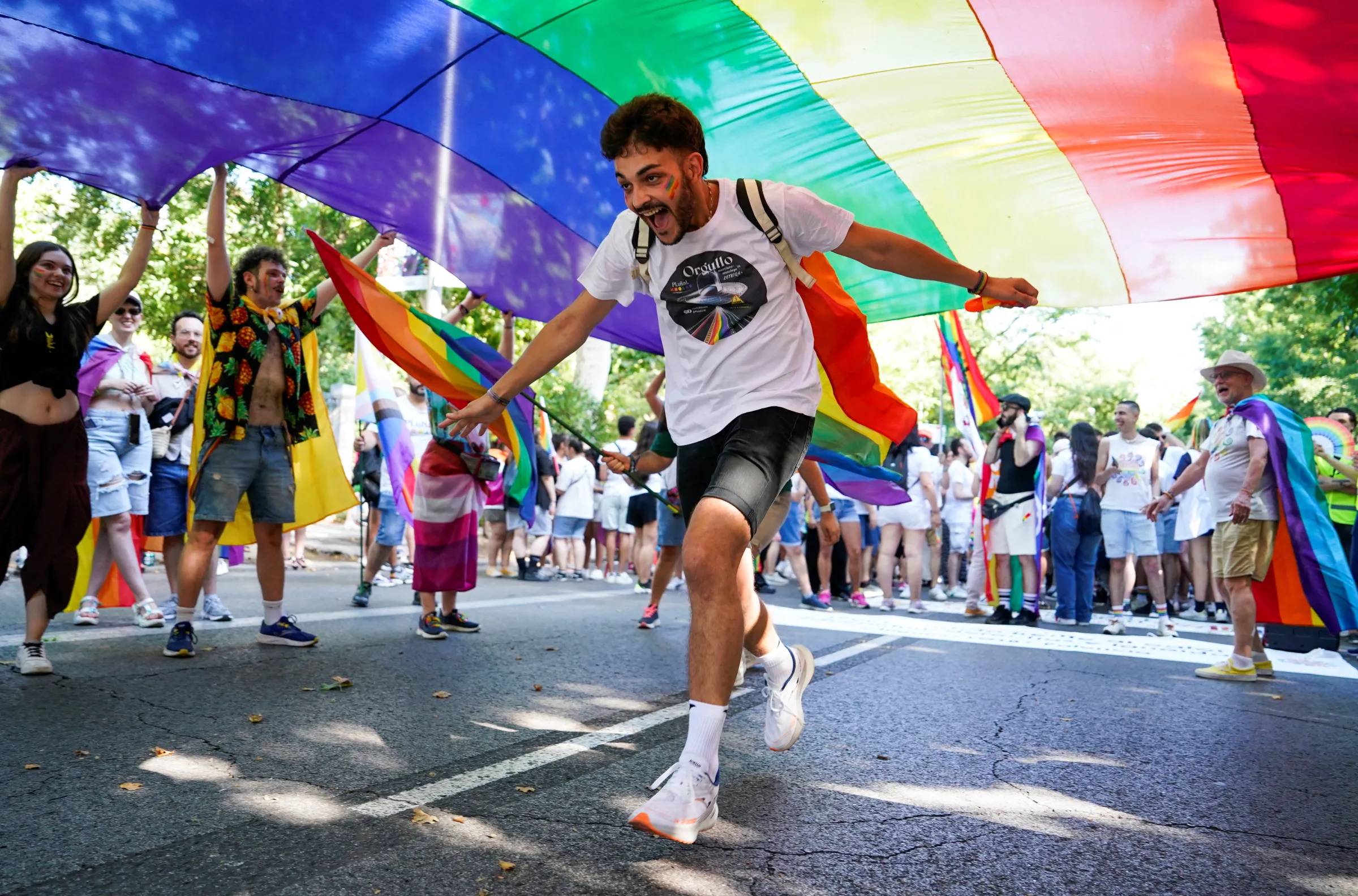
A person reacts under a rainbow flag, as people take part in the annual LGBT Pride Parade in Madrid, Spain July 6, 2024. REUTERS/Ana Beltran
Spain defies global anti-Ä¢¹½ÊÓƵ surge with ambitious law requiring companies to enact specific anti-discrimination measures.
• Spain's law protecting Ä¢¹½ÊÓƵ workers considered a world first
• Inclusive policies come as Trump bans DEI in US
• Spaniards hope other countries will follow their lead
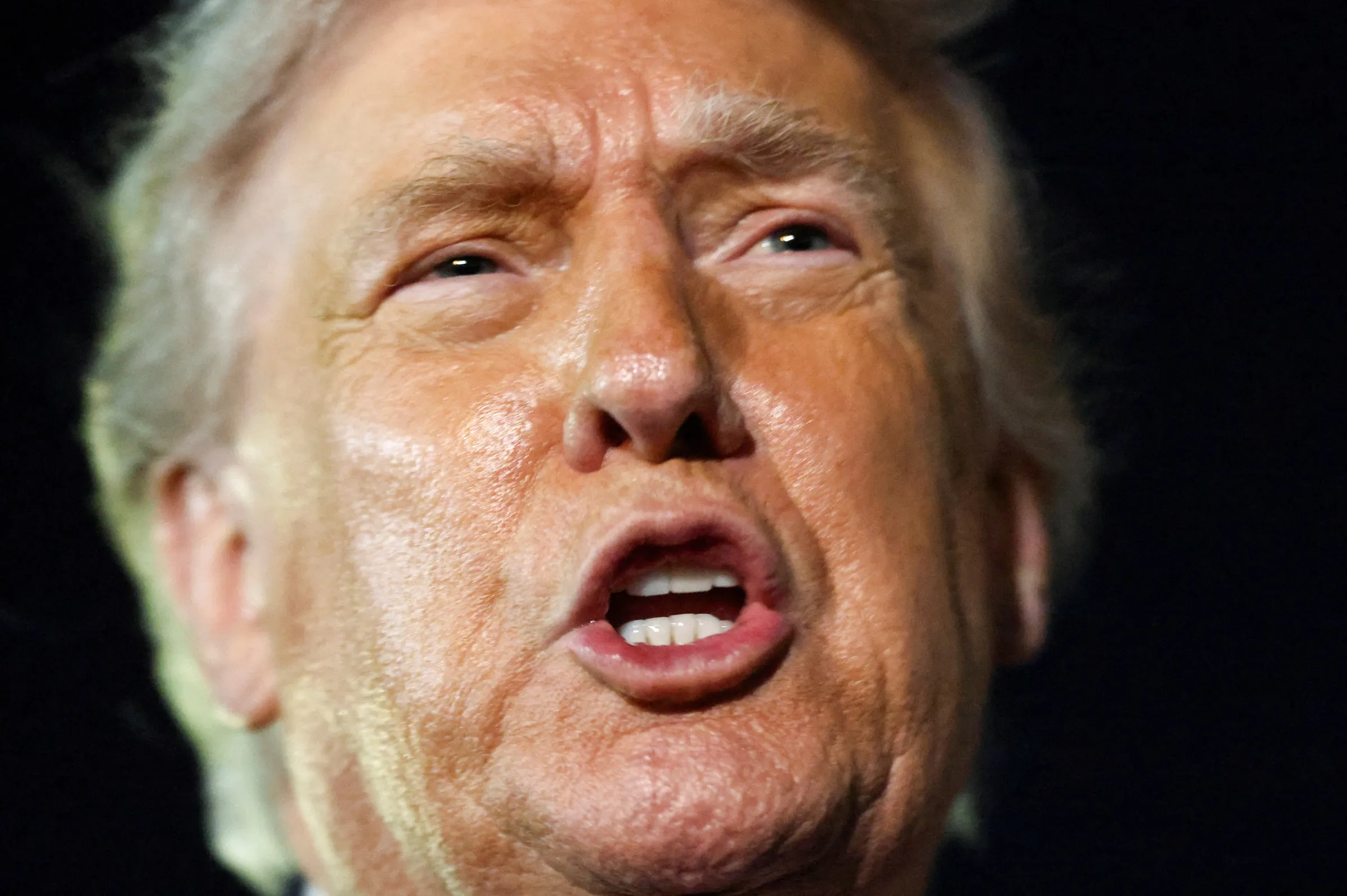
BERLIN - While President Donald Trump cracks down on diversity, equity and inclusion (DEI) policies, Spain is implementing what it says is the world's most ambitious laws to protect Ä¢¹½ÊÓƵ people at work.
Spain's centre-left government issued a decree in October requiring companies to protect Ä¢¹½ÊÓƵ workers, after the country's parliament passed a broad "real equality" law advancing Ä¢¹½ÊÓƵ rights in 2023.
The decree stipulated that companies with more than 50 employees must implement specific measures to prevent the discrimination of Ä¢¹½ÊÓƵ people in the workplace from April this year.
"We should not think of LGBTI+ issues as only a matter of rights for a minority, but also as an opportunity to incorporate talent into the progress of the country," said Julio del Valle de Íscar, the government's director for Ä¢¹½ÊÓƵ equality.
Some 77 countries have on the basis of sexual orientation, from Angola to Norway, according to campaign group ILGA-World, while Argentina and Uruguay have introduced job quotas for trans people in the public sector.
But while efforts to protect the rights of Ä¢¹½ÊÓƵ workers are not unique to Spain, del Valle de Íscar told Context that the is the first to spell out a series of requirements for the private sector.
Under Spain's new legislation, companies must include clauses against Ä¢¹½ÊÓƵ discrimination in collective bargaining agreements, train recruiting officers to avoid bias during hiring, and draft protocols against harassment, among other things.
"We all need a job to pay the bills, and LGTBI+ people do not leave their rights at the office door," said del Valle de Íscar.
According to a November report by , an umbrella Ä¢¹½ÊÓƵ rights organisation, Ä¢¹½ÊÓƵ Spaniards are 13% more at risk of poverty than the general population, while unemployment among Ä¢¹½ÊÓƵ people aged 60 and older is 40%, three times the rate among their straight peers.
Meanwhile, a growing body of research suggests Ä¢¹½ÊÓƵ inclusion can for both companies and national economies, according to a World Bank report.
William Gil D'Avolio, FELGTB's executive director, said the Spanish legislation is all the more significant given Trump's rollback of rights and that of some other countries.
"I hope we can become a beacon of light for others to legislate on this matter," he said.

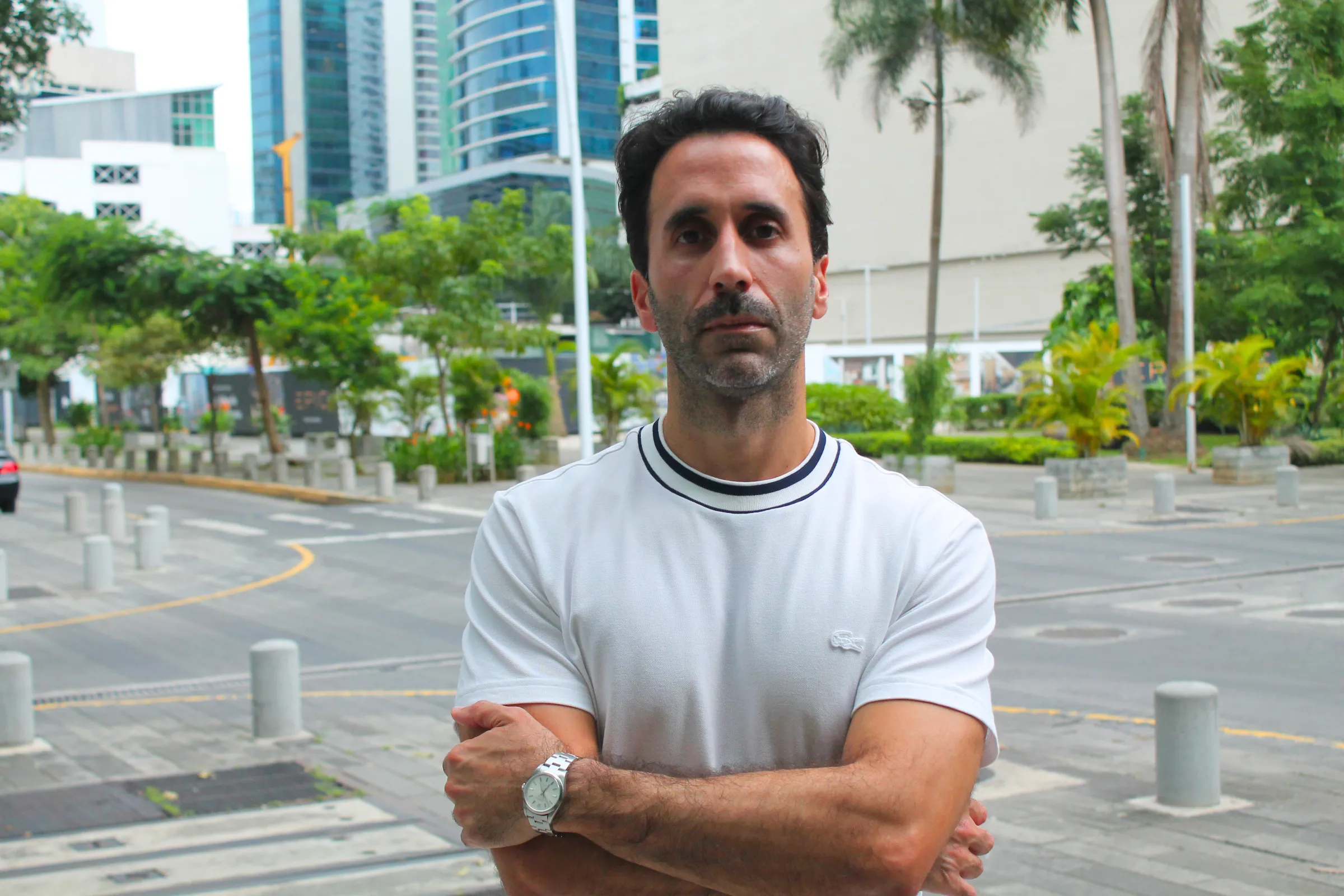
Julio del Valle de Ã�scar, the Spanish government's director for Ä¢¹½ÊÓƵ equality, speaks at a press conference at the headquarters of Spain's equality ministry in Madrid on May 20, 2025. Ministerio de Igualdad/Handout via Ä¢¹½ÊÓƵ
Julio del Valle de Ã�scar, the Spanish government's director for Ä¢¹½ÊÓƵ equality, speaks at a press conference at the headquarters of Spain's equality ministry in Madrid on May 20, 2025. Ministerio de Igualdad/Handout via Ä¢¹½ÊÓƵ
In January, Trump signed executive orders to in the federal government, calling them "illegal" and "wasteful" and threatened to using them.
Against this backdrop, companies including Google, Target and McDonald's have publicly dropped or , although some are maintaining certain measures
The Trump administration has also warned suppliers to U.S. embassies and consulates that they must on DEI policies or risk losing payments.
In Spain, by contrast, supporters of the new legislation say companies are embracing the new protections, which include mandatory training for staff on Ä¢¹½ÊÓƵ issues.
"We are surprised by how easy the implementation (of the law) is turning out to be," said Oscar Muñoz, the co-director of REDI, Spain's first network of companies working for Ä¢¹½ÊÓƵ inclusion.
He said the growth of REDI's membership to over 300 currently from 13 at its 2018 launch showed companies were taking Ä¢¹½ÊÓƵ rights increasingly seriously.
"Companies know this brings modernity and innovation, that tomorrow's society is there."
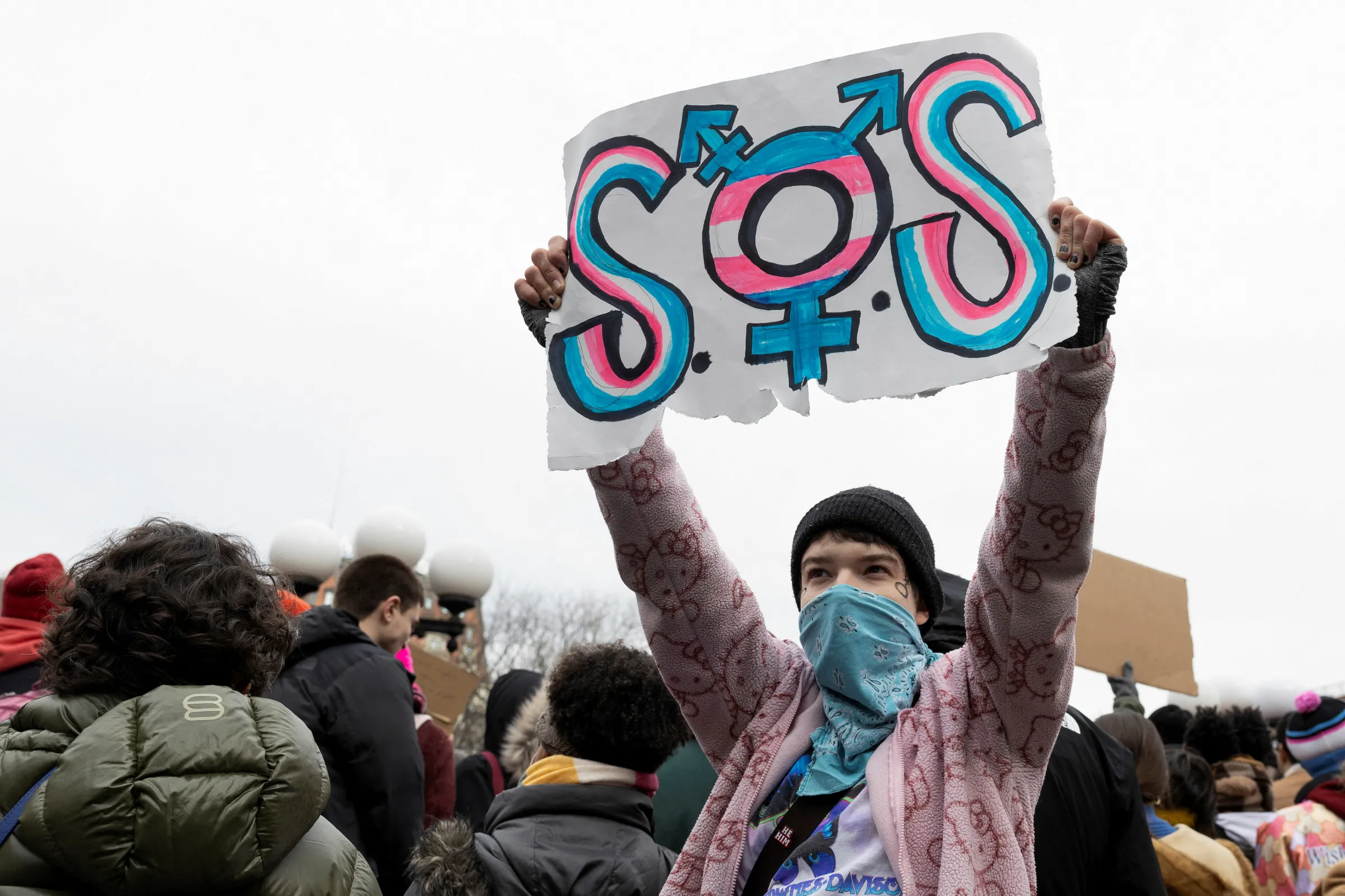
Ä¢¹½ÊÓƵ activists say there is still more to do - they would like to see, for example, a mandatory provision for companies to develop protocols for trans employees who decide to transition.
"We're seeing that people do not transition until they are much older and feel like their career is not at stake anymore," said Muñoz.
Small things like a policy on pronouns or changing company ID cards, as well as educating managers on gender-affirming care can make a big difference, activists say.
Despite the legislation, Spain has not been immune to the rise of anti-Ä¢¹½ÊÓƵ movements globally.
The far-right Vox party, which has benefited from in recent years, has introduced bills in several Spanish regions seeking to revoke Ä¢¹½ÊÓƵ protections in areas such as healthcare and education.
"This shows how important it is to have laws in place that are above the individual interests of political parties and politicians," Gil D'Avolio said.
(Reporting by Enrique Anarte; Editing by Ana Nicolaci da Costa.)
Context is powered by the Ä¢¹½ÊÓƵ Newsroom.
Our Standards:

 These links open on