Context is powered by the Ä¢¹½ÊÓƵ Newsroom.
Our Standards:

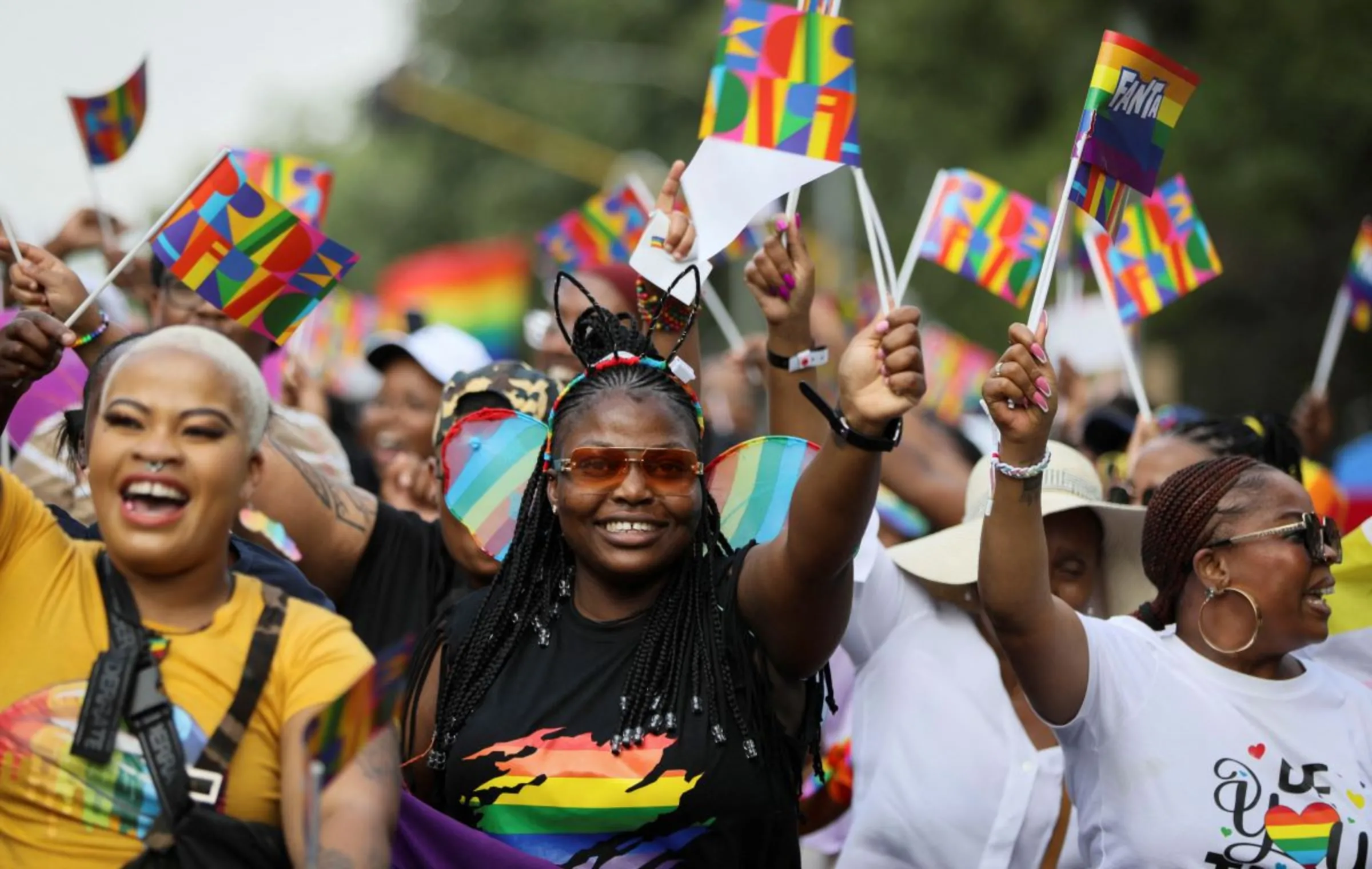
People march in celebration of Ä¢¹½ÊÓƵ rights at the annual Pride Parade in Johannesburg, South Africa, October 28, 2023. REUTERS/Sumaya Hisham
Here are the key developments for Ä¢¹½ÊÓƵ rights in Africa in 2023
LAGOS - Across Africa, while court verdicts ensured rights for Ä¢¹½ÊÓƵ people in Kenya and Namibia, countries such as Uganda and Ghana doubled down on anti-Ä¢¹½ÊÓƵ legislation.
The year began with 32 of 54 African countries criminalising Ä¢¹½ÊÓƵ people, according to rights group Human Dignity Trust. Going into 2024, that number is down to 31.
Here are the significant updates from 2023.
Mauritius: The island country's highest court , striking down a dating back to 1898.
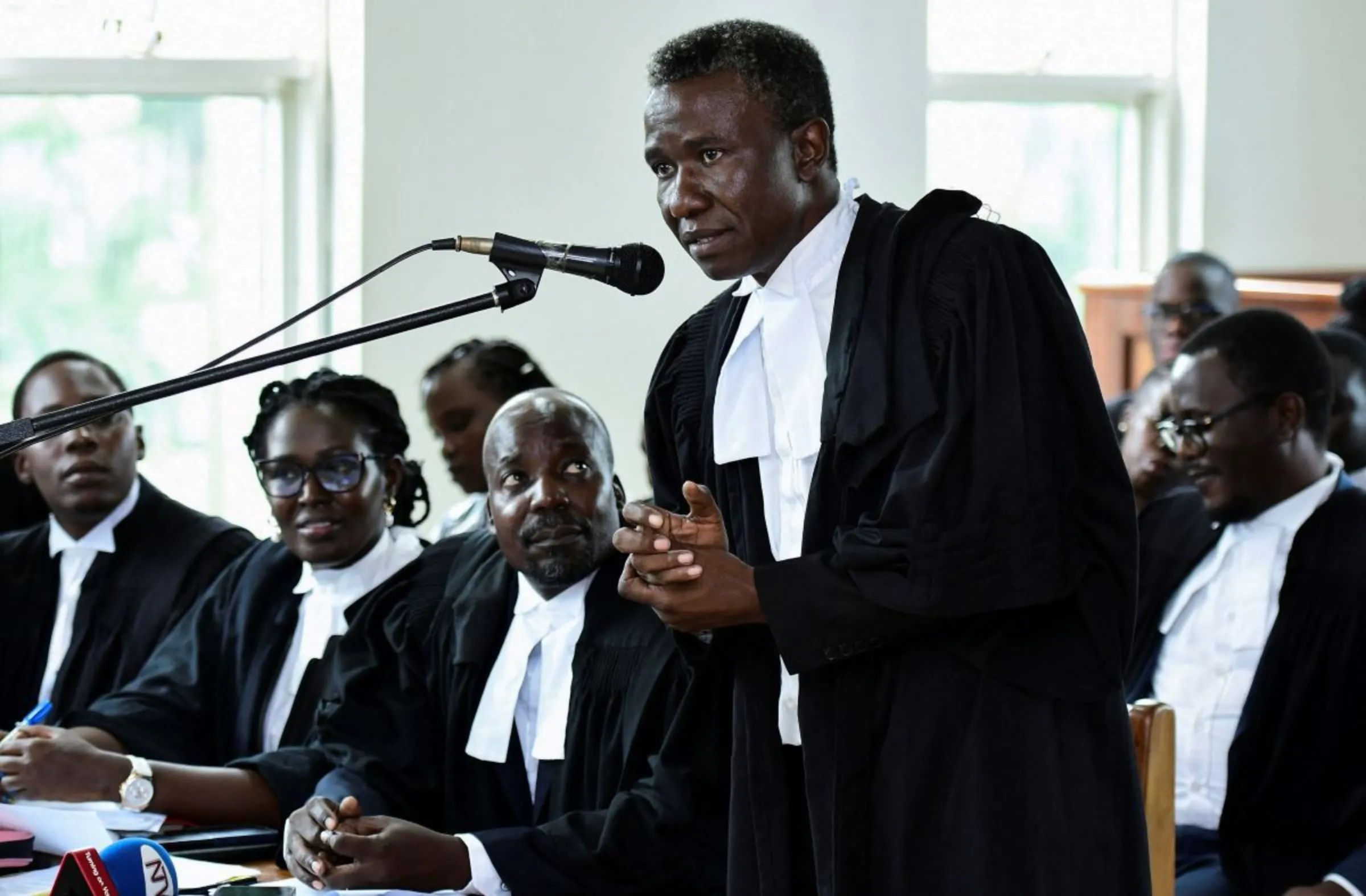
Kenya: The east African country's Supreme Court in February affirmed the right of Ä¢¹½ÊÓƵ advocacy groups to register as NGOs.
Following the ruling, opposition member of parliament Peter Kaluma presented a in May that would effectively undo the Supreme Court's decision by limiting Ä¢¹½ÊÓƵ people's rights of assembly, expression and demonstration. The bill is still in parliament and has not yet been passed.
Namibia: The Supreme Court conducted outside the southern African country. In October, arguments were heard by Namibia's Supreme Court in a case challenging the constitutionality of laws banning sodomy and related offences. The court will deliver a judgment in May 2024.
Uganda: President Yoweri Museveni signed into law one of the in May, including the death penalty for "aggravated homosexuality". The law allows for life imprisonment for certain offences involving same-sex intercourse, 20-year sentences for "" and up to 10 years for attempting to commit same-sex acts.
Ghana: The west African nation is poised to follow Uganda in enacting strict anti-Ä¢¹½ÊÓƵ legislation after its Supreme Court rejected an appeal to prevent the legislature from passing the bill into law. The , first introduced in 2021, will criminalise same-sex relations and transitioning gender, while advocating for Ä¢¹½ÊÓƵ rights could lead to a sentence of up to 10 years in prison.
Nigeria: Africa's most populous country saw within three months in which a total of 145 people were detained for attending what authorities said were gay weddings.
Tunisia: An appeals court in January dropped the protracted prosecution of a gay rights activist, known as Daniel, ruling the case inadmissible due to . Tunisia retains that continues to be used against Ä¢¹½ÊÓƵ people and activists in the country.
This story is part of a series supported by HIVOS's programme.
(Reporting by Muhammed Akinyemi; Editing by Sadiya Ansari and Jon Hemming.)
Context is powered by the Ä¢¹½ÊÓƵ Newsroom.
Our Standards:

 These links open on