


Ä¢¹½ÊÓƵ rights in Africa 2024: Progress and setbacks

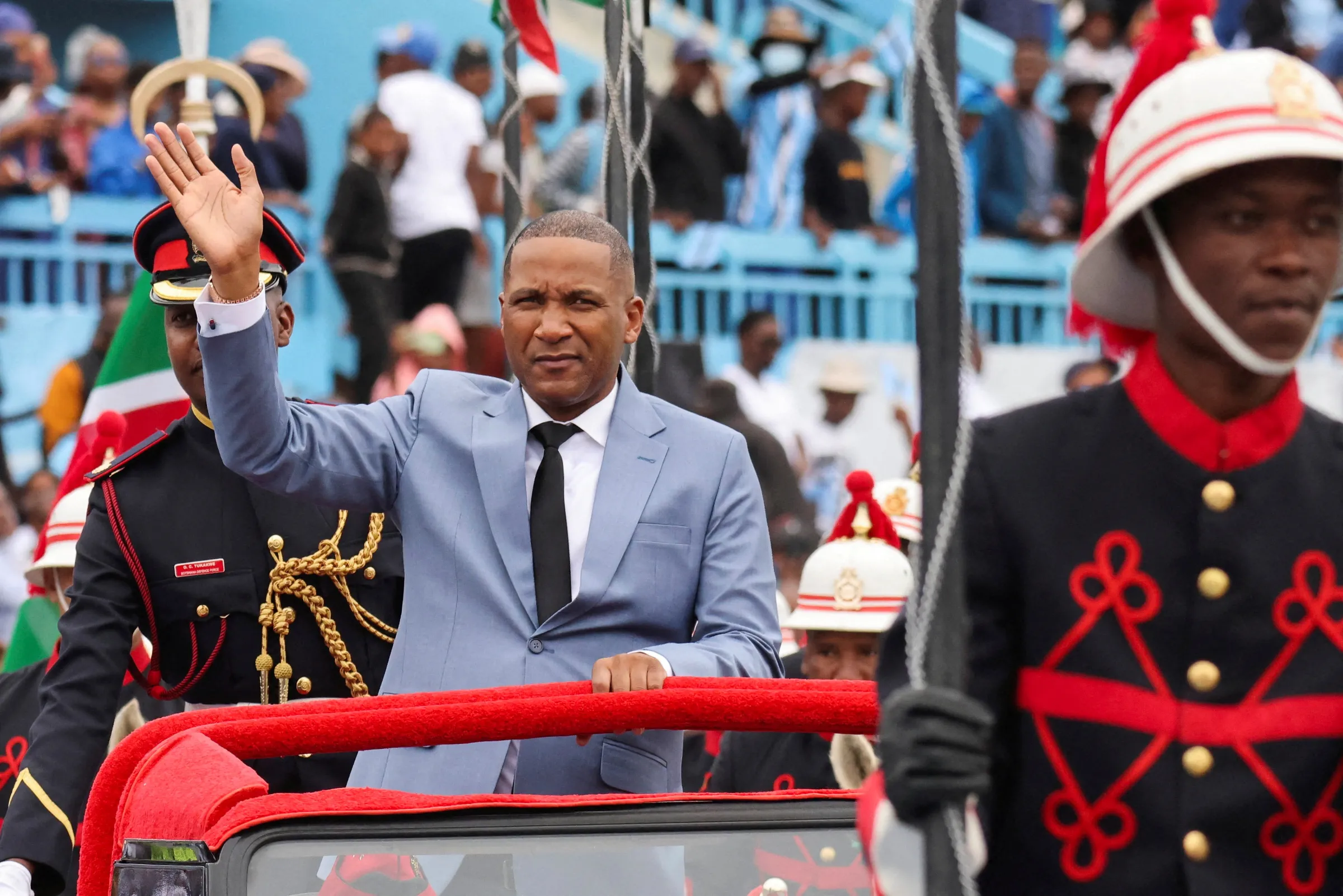
Newly elected president of Botswana, Duma Boko waves to supporters during his inauguration ceremony in Gaborone, Botswana November 8, 2024 REUTERS/Thalefang Charles
What’s the context?
Here are the key developments for Ä¢¹½ÊÓƵ rights in Africa in 2024
LAGOS - Namibia threw out its colonial-era law sodomy law this year taking the number of African countries with laws targeting Ä¢¹½ÊÓƵ people from 31 out of 54, down to 30, but elsewhere in 2024 crackdowns intensified.
Here are the significant updates from 2024.
Namibia: In June, the southern African country's high court overturned its colonial-era sodomy law as a result of a legal challenge brought by Ä¢¹½ÊÓƵ right advocate Friedel Dausab.
In parliamentary elections held in November, the country saw its first two openly Ä¢¹½ÊÓƵ candidates run for office.
Botswana: Ä¢¹½ÊÓƵ ally, Duma Boko, won a landslide victory to become the country's president-elect in November. Boko, a human rights lawyer, previously represented Ä¢¹½ÊÓƵ rights group LEGABIBO in a for recognition in 2014.
In March, a introduced to parliament included the rights of intersex persons, providing protection against discrimination.
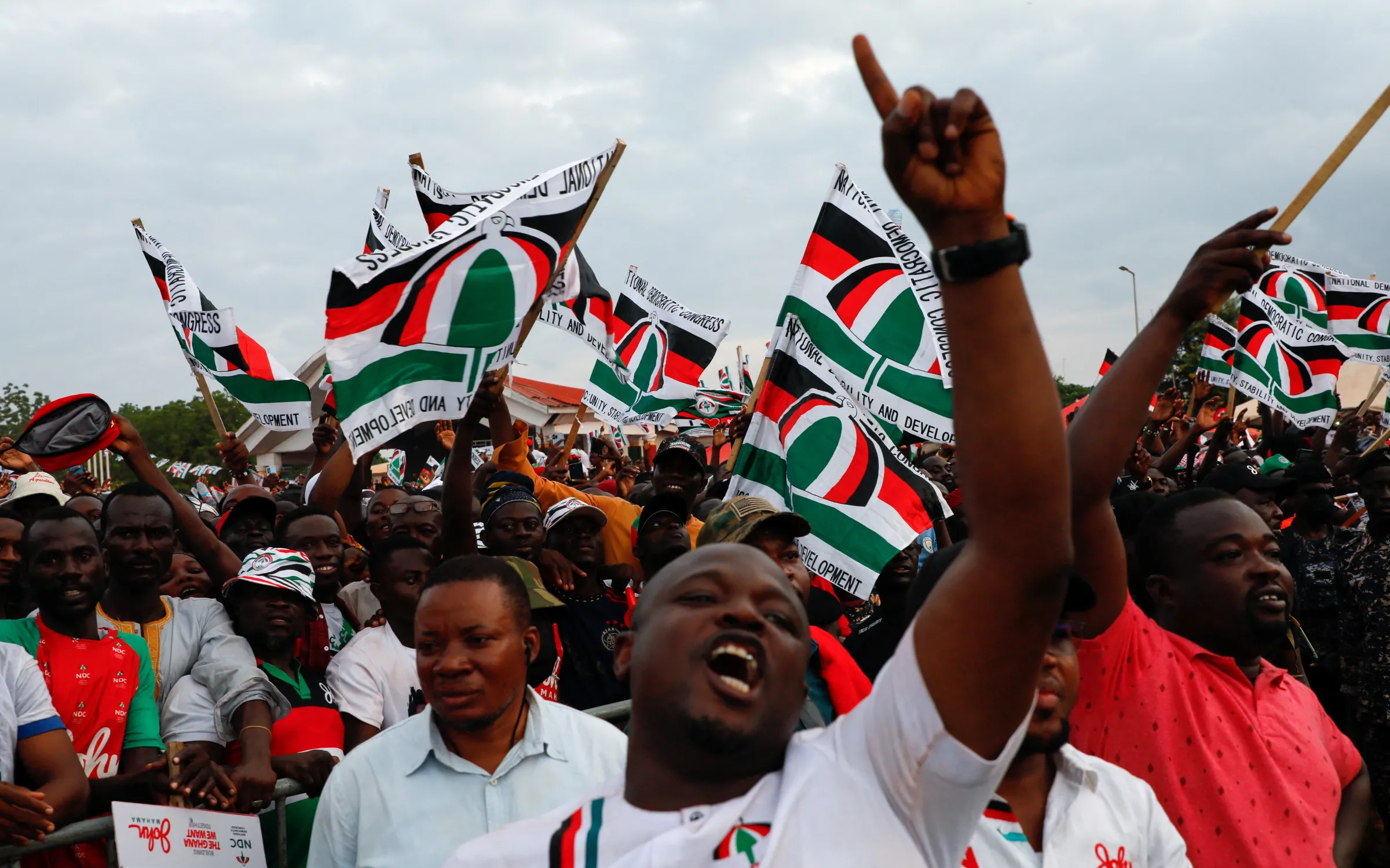
Ghana: Ghana's anti-Ä¢¹½ÊÓƵ bill was passed unanimously by parliament in February, however President Nana Akufo-Addo did not sign the Human Sexual Rights and Family Values bill into law, leaving it to his successor after December's elections, president-elect John Mahama.
The bill, first introduced in 2021, would further criminalise Ä¢¹½ÊÓƵ Ghanaians and ban the "promotion" of Ä¢¹½ÊÓƵ activities.
Malawi: In June, Malawi's Constitutional Court a legal challenge calling to overturn laws criminalising same-sex relations in the southern African country.
Same-sex relations remain an offense in Malawi, punishable by a maximum prison sentence of 14 years.
Uganda: The east African country's draconian anti-Ä¢¹½ÊÓƵ law, the Anti-Homosexuality Act, was upheld in court in April.
One year after the law was passed, many Ä¢¹½ÊÓƵ Ugandans have fled the country, while those who remain have seen reduced access to HIV/AIDS care and have faced evictions.
Mali: In October, Mali's Transitional National Council passed a law that . Although same-sex relations were not explicitly criminalised before this, Ä¢¹½ÊÓƵ Malians were persecuted under other penal codes.
Burkina Faso: In July, the military junta in the west African country said it had of an amended family code that criminalises homosexuality.
This story is part of a series supported by Hivos's programme.
(Written by Pelumi Salako; Edited by Jonathan Hemming)
Context is powered by the Ä¢¹½ÊÓƵ Newsroom.
Our Standards:
Tags
- Ä¢¹½ÊÓƵ
Featured
Go Deeper


The Backstory
 These links open on
Latest on Context


- 1
- 2
- 3
- 4
- 5
- 6